
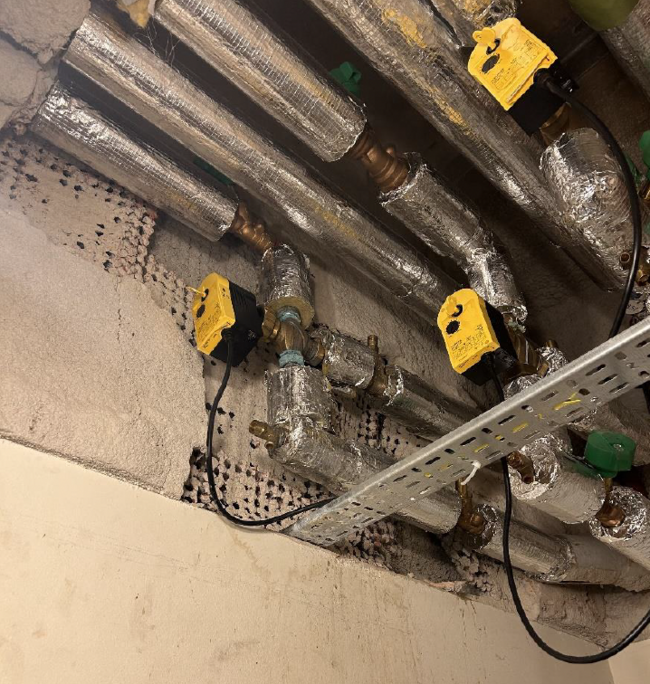
A recent CROSS report highlights the discovery of a spray applied fire resisting coating used across compartment walls and ceiling voids that had exceeded its expected 25 year lifespan.
The material was found to be brittle and cracked, no longer providing effective fire compartmentation.
This reinforces the need to understand the condition and lifespan of passive fire protection systems within occupied buildings. Firesafe supports clients with compartmentation surveys and remedial works to maintain compliance and safety.
Expert insight
The issue relates to lifecycle management rather than product failure. Passive fire protection systems can degrade over time, reducing their effectiveness if not properly maintained or replaced.
In healthcare settings, this is particularly critical, as compartmentation supports safe evacuation strategies and limits fire spread.
Key learning points
– Passive fire protection systems require regular inspection and maintenance
– Lifespan and replacement planning should be clearly understood
– Whole life performance must be considered at design stage
Building owners and Responsible Persons must ensure fire safety measures remain effective throughout the life of the building.
At Firesafe, we provide expert support from survey through to installation, ensuring passive fire protection systems remain compliant and effective.
If you have concerns about ageing fire protection materials within your building, contact us to discuss how we can help.