
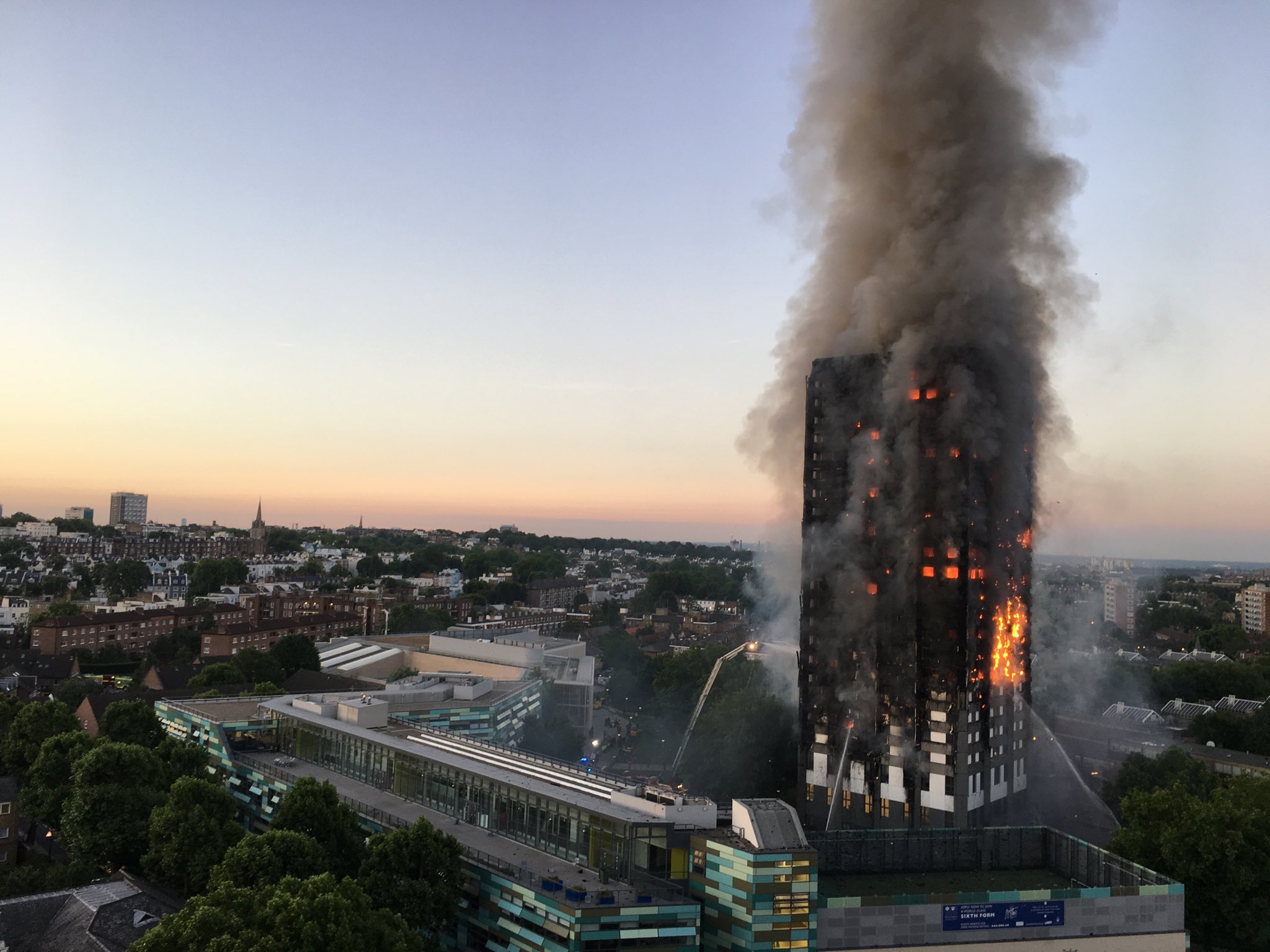
Eight years on from the Grenfell Tower fire, the construction industry continues to face a clear responsibility to prioritise fire safety. The tragedy exposed systemic issues, including gaps in regulation and a lack of focus on passive fire protection during design and construction.
Historically, firestopping was often treated as a secondary element, introduced late in the build process. Today, this approach is no longer acceptable. Passive fire protection is now recognised as a specialist discipline requiring early design input, precision, and strict compliance.
Firesafe supports this shift through early stage surveys, design input, and installation, ensuring fire protection is considered from the outset of every project.
Gateway 2 and current challenges
The introduction of the Building Safety Act 2022 and the Building Safety Regulator has created a new level of scrutiny for higher risk buildings. Gateway 2 now acts as a critical approval stage before construction begins, requiring clear, compliant design information.
While this is a positive step forward, the industry is experiencing delays and challenges. Many applications are being rejected due to incomplete or inadequate information, highlighting gaps in design coordination and technical understanding.
These challenges reflect a wider cultural shift. Moving from a design and build approach to a design then build model requires greater collaboration, earlier decision making, and improved accountability across the supply chain.
Key steps to improve compliance
To meet Gateway 2 requirements and improve fire safety outcomes, several key principles are emerging:
– Early engagement of firestopping specialists during the design stage
– Strong collaboration between design, construction, and client teams
– Clear and comprehensive documentation to support the Golden Thread of Information
– Ongoing training to ensure competency and alignment across project teams
These steps help ensure that fire protection systems are designed, coordinated, and installed correctly, reducing risk and improving approval outcomes.
Eight years after Grenfell, the industry has an opportunity to drive meaningful change. Prioritising fire safety at every stage of a project is essential to protecting lives and restoring confidence in the built environment.
If you would like support with compliant fire protection design, surveys, or installation, contact us to discuss how we can help.